

Cubic Transport provides excellent freight services through our comprehensive nationwide network.
What we Offer
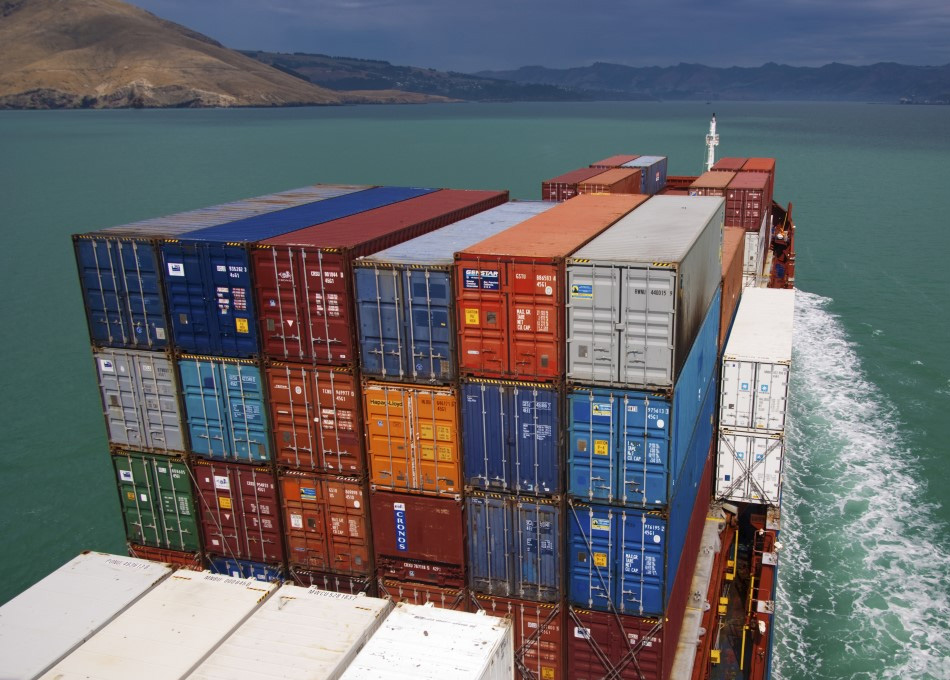
Containerised freight
Containers provide security and economy
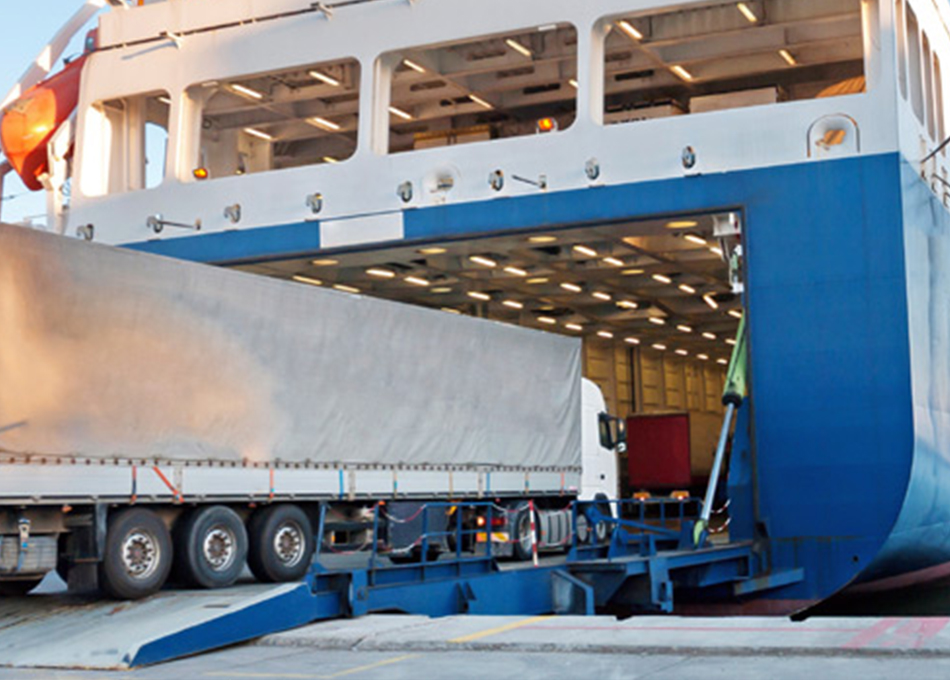
RORO/Breakbulk
RORO shipping options from Auckland to Lyttelton, Wellington, and Nelson
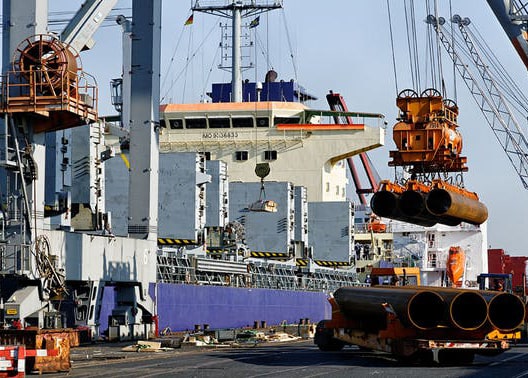
Container Sales/ Leasing
For over-dimensional project cargo
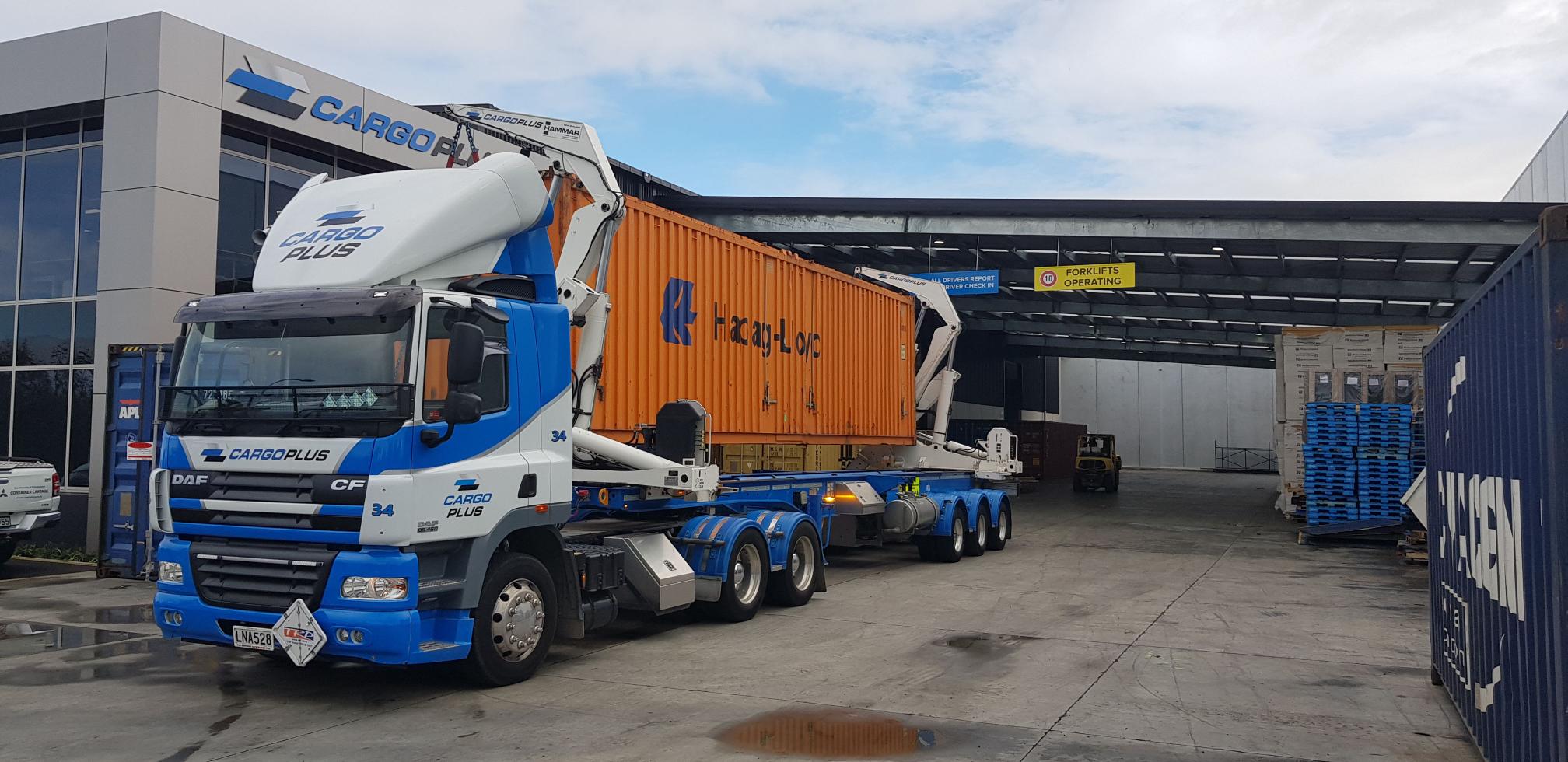
Road connections
Cubic offers a full door to door service

Moving house
Low cost self-pack container services
About Us
Cubic Transport has been serving New Zealand since 2000 with integrated door to door rail and sea freight services. We also offer households a self-pack container service for moving home. We pride ourselves on our cost-effective, reliable, and secure nationwide freight solutions.
What would you advise a first-time shipper?
Discuss your requirements with Cubic. We make things as easy as we can for our customers, but if there are any areas you are unclear or have concerns about let us know.
Can you guarantee transit times?
Not usually. We will be able to give you a reasonably accurate guideline, but transport can be subject to disruption caused by weather, traffic congestion, or other factors outside of our control.
Do you handle only domestic shipments?
Yes, New Zealand domestic freight only at this stage, but we can work with other international forwarder partners if you want a solution for both domestic and international freight.
Frequently Asked Questions
Why choose us?

Experienced
We have decades of experience providing expert freight services

Vibrant
Our enthusiastic and experienced team are always here to help

Professional
Our freight experts will get you the best outcome possible
Helping Businesses just like yours
8
Ports
300+
Clients
100
% Satisfaction
Request a Call Back
If you would like to speak to one of our freight advisers submit your details and we’ll be in touch shortly, or you can email sales@cubic.co.nz or phone 09 6344944 or 0800 2CUBIC between 08:00 and 17:30 Monday to Friday.
Note: Your details are kept strictly confidential as per our Privacy Policy.
Thank you Dave – appreciate your email and compliments to you & your team. Your team has been excellent to deal with, great responses all the time and…
Madhukar
Your response and outcome, however, was first class. Really appreciate the trouble you went to solve the problem. Will certainly recommend you to friends.
Alan
I would like myself and my family to thank you very much for your great help to us to get our stuff from Rotorua to Invercargill. Also, the drivers were very…
Ahmed
Trust Cubic for expert freight services